
Hydrophobic biological molecules
Membranes, energy storage, and signaling
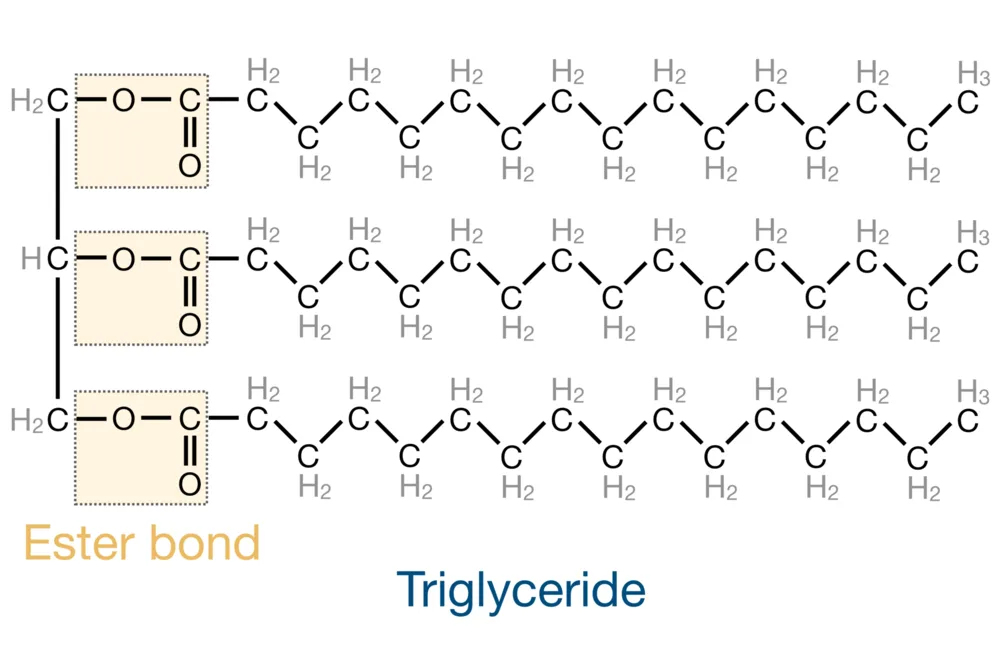
Lipids are a chemically diverse group of molecules united by their poor solubility in water. Phospholipids form the bilayer of every cell membrane — their hydrophilic heads face the aqueous environment while their hydrophobic fatty acid tails face inward. Triglycerides store chemical energy in adipose tissue, yielding more than twice the energy per gram compared to carbohydrates. Sterols such as cholesterol regulate membrane fluidity and serve as precursors for steroid hormones.