
The history of biology, like the history of science in general, can be viewed as reaching back thousands of years to our earliest knowledge about our environment. But in a more strict perspective, biology as we know it today, is a quite recent human endeavour that has developed only a few generations ago.
In this section we will try to find the early germination point of preforms of biology in antiquity, going back more than 2500 years.
Ancient knowledge
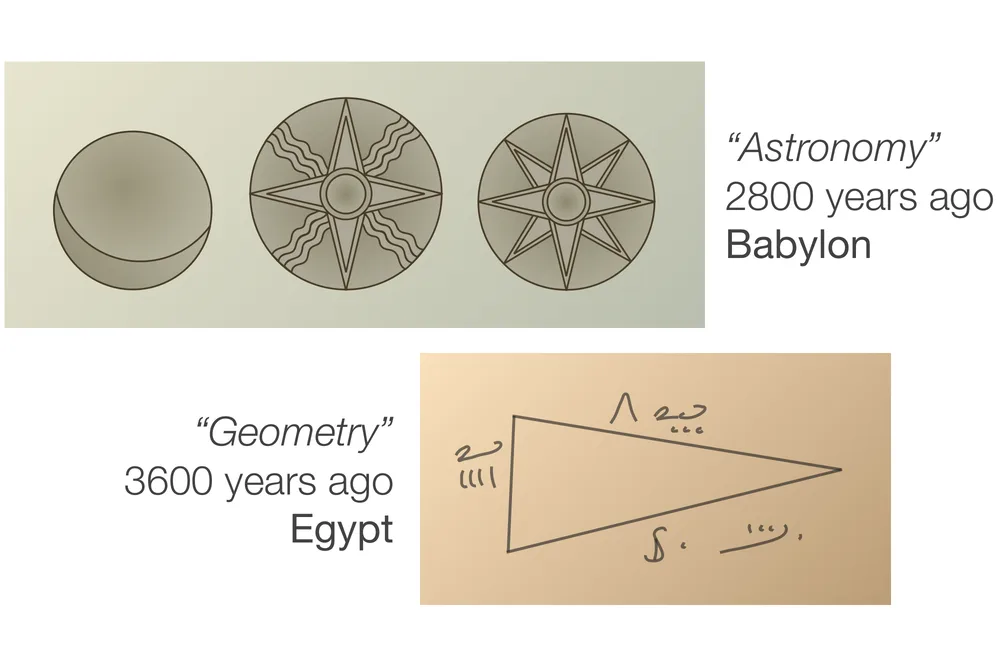
In early times and throughout history, many great civilizations, like those of the Egyptians, Mesopotamians, Indians and Chinese, have studied the natural world and massively contributed in mathematics, medicine and philosophy, among others. Nevertheless, for modern biology the work of the ancient Greeks is the most foundational. The way we understand science in general has its roots ultimately in this ancient civilization and their approach to the concept of knowledge itself.
Early Greek philosophy
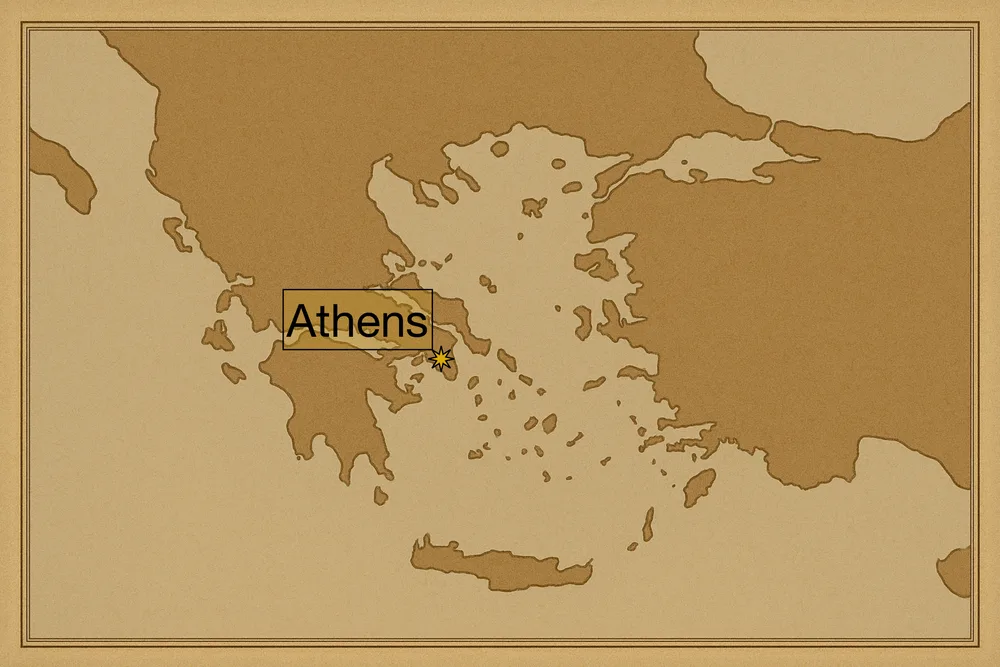
Beginning in the 6th century BC, early Greek philosophers started to reject mythological explanations for natural phenomena in favor of reasoned discourse.
Early ideas of evolutionary change of living beings were formed by Anaximander (610-546 BC), while Heraclitus (535-475 BC) stressed the impermanence of all things (panta rhei: "everything flows"). These important philosophers, among many others, are representatives of "pre-Socratic philosophy".
Athenian philosophers
This classification hints at the great impact of the Athenian Socrates (470-399 BC) on Greek philosophy. He famously questioned everything and stated that "I know that I know nothing". The Socratic method of dividing up an issue into a series of questions, in order to being progressively led to the truth, is maybe his most important contribution. For him and his disciple Plato (428-348 BC) absolute truth can only be found in the abstract, which is why they valued mathematics so much.
Plato therefore also emphasized pure reason, i.e. logical and deductive thought, to attain true, immaterial and unchanging knowledge. He founded the Academy in Athens, the first European institution of higher learning, of which the most famous student was Aristotle (384-322 BC) - a titan in Greek philosophy. He disagreed with his teacher Plato on the right way to pursue truth and gave greater weight to empirical observation and practical concerns.
Aristotle's biology
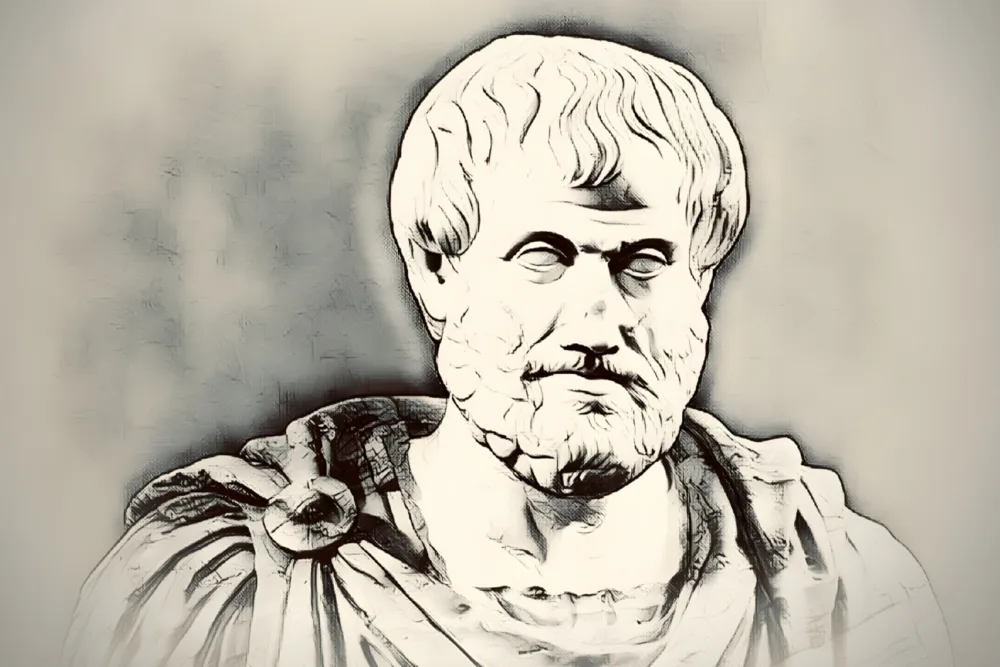
Aristotle crucially combined logic and empiricism (based on experience) to create a preform of the scientific method and is widely regarded as the "first scientist". Besides pioneering studies in a wide range of fields, he is also viewed as the "father of biology". Through systematic data collection, discovery of patterns, and inference of causal explanations, he obtained many insights into metabolism, homeostasis, information processing, embryogenesis, and inheritance.
He also systematically classified animals (and also plants) according to a set of parameters, such as number of legs and presence or absence of blood. Over his lifetime, he described hundreds of species of mammals, birds, fish, insects, molluscs and others, some of which he studied anatomically through careful dissection. His methods and means of presentation were ahead of his time, but nevertheless still far from todays scientific standards.
Aristotle had an enormous influence on Christian and Islamic philosophy and knowledge-seeking throughout the middle ages (5th-15th century). It was so strong that his teachings were almost untouchable and were only commented on by scholars and incorporated into the respective religious frameworks. Among those were Christians like Leo the Mathematician, Albertus Magnus and Thomas Aquinas, as well as Muslims like Al-Kindi, Al-Farabi and Ibn Sina.
Middle Ages
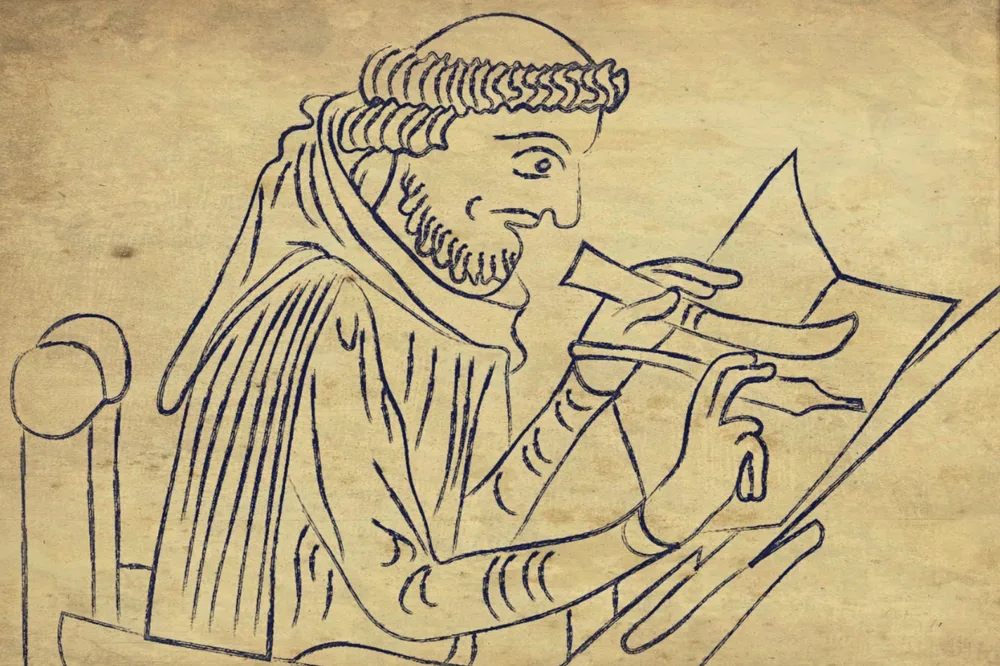
The study of living beings in the middle ages was fairly limited, although there were notable scholars like Al-Jahiz, Ad-Dīnawarī, Hildegard of Bingen and Albertus Magnus, among others, who mainly studied the morphology and anatomy of plants and animals, and the relationship of organisms to each other. Crucially, Aristotle's biological studies remained basically unmatched until the Renaissance (15th-16th century) and its Scientific Revolution.
The Scientific Revolution
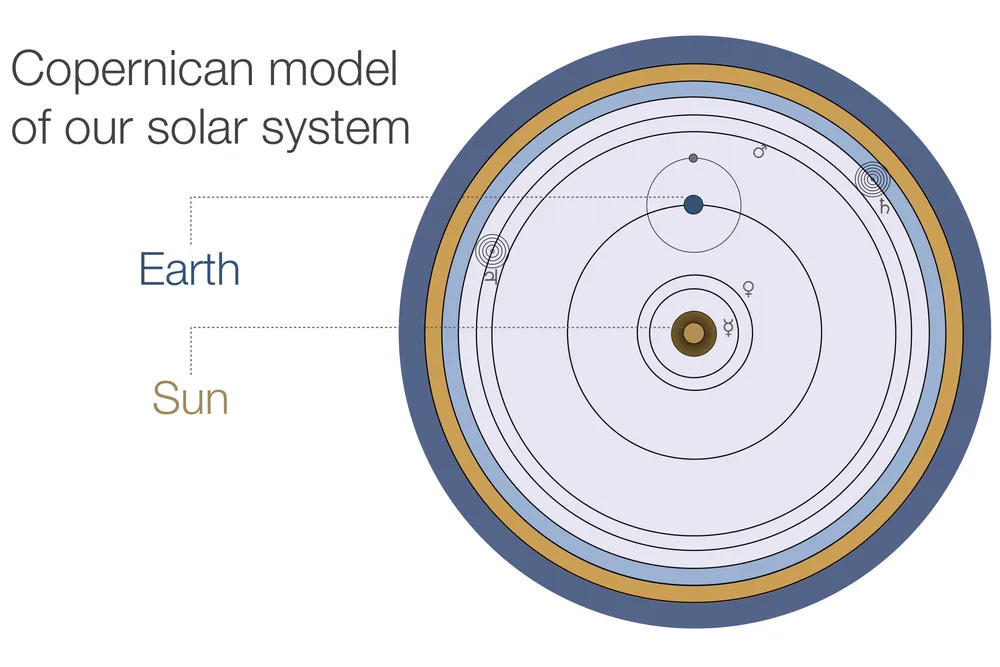
Starting in the 16th century, during the European Renaissance, some scholars finally began to free themselves from Aristotle (and Socrates, Plato, etc.) and moved away from reliance on authority and abstract reasoning towards empiricism and rationalism. A real practical and radical turning point was reached in 1543, when Nicolaus Copernicus (1473-1543) ended the medieval worldview of our central place in the universe, stating that the earth revolves around the sun.
Philosophically, the two maxims of empiricism and rationalism were embodied by Francis Bacon (1561-1626) and René Descartes (1596-1650), respectively. For the rationalists, knowledge is derived from reason and logic and is therefore absolute, which is why mathematics is its paradigm. For the empiricists knowledge derives from experience (e.g. experimentation), which however cannot produce certainty. But neither could reason alone lead to certain knowledge.
The Scientific Method
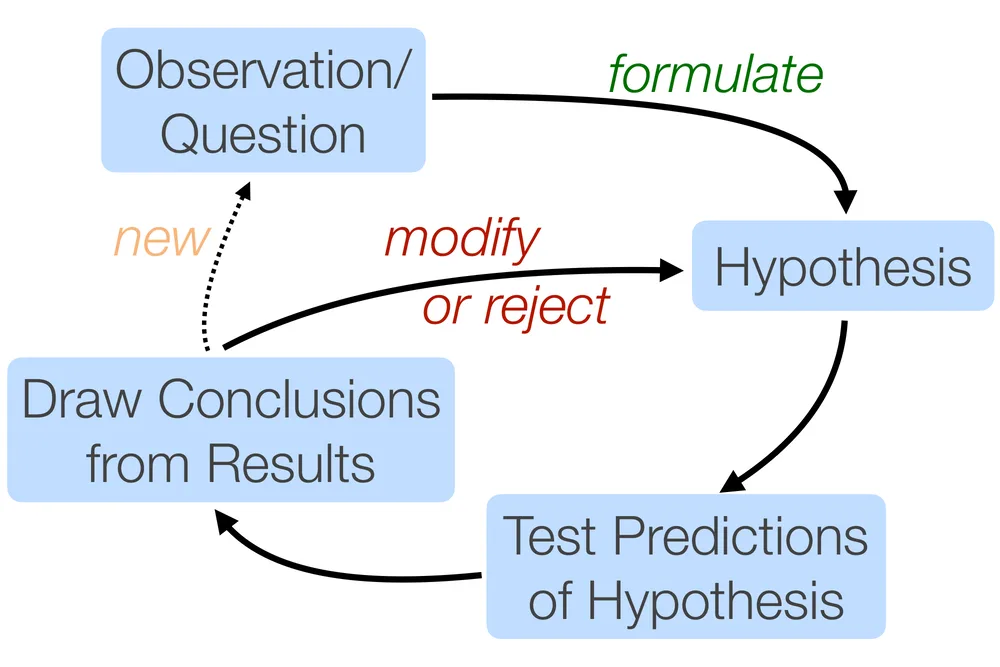
Both of these philosophies were important for the emergence of modern science. However, empiricism is at the core of the scientific method, which guides scientists today. Briefly described, in order to answer a specific question or explain an observation, scientists postulate a hypothesis, which is then tested through experimentation. Conclusions are drawn from the results of these experiments, which then lead to rejection, modification or refinement of the hypothesis.
This fundamental process is rigorously repeated over and over again to get ever closer to the underlying truth, without ever achieving absolute certainty. Crucially, every hypothesis must be falsifiable and yield logical expectations and testable predictions. Testing a hypothesis means trying to disprove it, while preserving skepticism at any time. Of course, more established knowledge and previous experience is build upon, while authority and dogma are rejected.
These core principles unleashed an unfathomable force of progress for humanity. Science became an endeavour in its own right, distinct from philosophy, and it flourished in each of its branches. However, physics was at the forefront of this progress, with great scientists like Isaac Newton and Gottfried Wilhelm Leibniz who helped to lead us through the crossing into the Age of Enlightenment.